_edited.png)
Understanding Achilles Tendinitis Treatment Options and the Role of Shockwave Therapy
- akurra
- Apr 3
- 4 min read
Achilles tendinitis is a common injury that affects many athletes and active individuals. It causes pain and stiffness in the tendon connecting the calf muscles to the heel bone. This condition can limit mobility and disrupt training or daily activities. Ignoring Achilles tendinopathy without proper treatment can lead to long-term damage, and even surgery in some cases. Learning about the treatment options including advanced treatments like shockwave therapy can help you make an informed decision about the next steps in treating your Achilles tendinitis.

Who Is Most Affected by Achilles Tendinitis?
Achilles tendinitis occurs most often in people who put repeated stress on their lower legs. It is especially common among athletes involved in sports that require running, jumping, or sudden changes in direction. Some of the sports with higher rates of Achilles tendinitis include:
Running: Long-distance runners and sprinters often experience overuse injuries in the Achilles tendon due to repetitive impact.
Basketball: Frequent jumping and quick lateral movements put strain on the tendon.
Soccer: Sudden sprints and direction changes increase the risk.
Tennis: Quick starts and stops can overload the tendon.
Dancing: Ballet and other dance forms that require repetitive footwork and jumping can lead to tendon irritation.
People who increase their training intensity too quickly or who have tight calf muscles are more prone to developing Achilles tendinitis. Age also plays a role, as the tendon loses elasticity over time, making it more vulnerable to injury.
Typical Treatments for Achilles Tendinitis
Most cases of Achilles tendinitis respond well to conservative treatments. The goal is to reduce pain and inflammation while promoting healing. Common treatment approaches include:
Rest and Activity Modification
Temporarily avoiding activities that worsen the pain is essential. Switching to low-impact exercises like swimming or cycling can help maintain fitness without stressing the tendon.
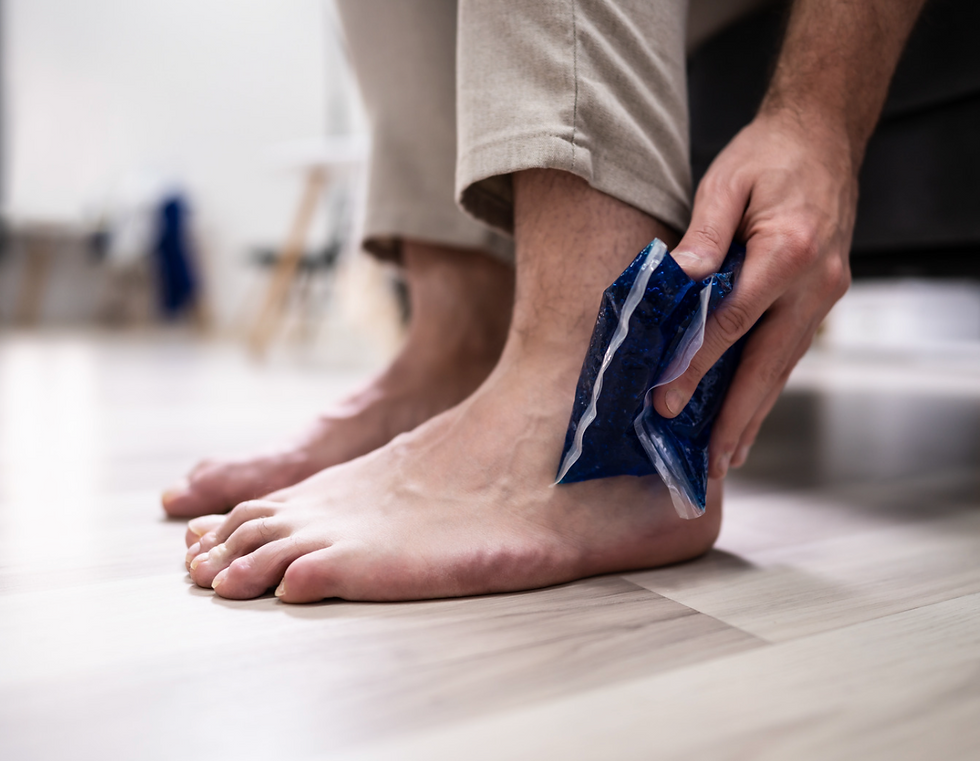
Ice Therapy
Applying ice packs to the affected area for 15-20 minutes several times a day reduces swelling and discomfort. However, in the case of chronic Achilles tendinitis or severe Achilles tendinitis, this may not be your best option. If there are significant tears in the tendon, ice will not help in the healing process. Always seek a medical evaluation, such as an insurance-based evaluation at CT Sports Recovery, to see if you have a more serious condition. You can easily book your insurance-based evaluation HERE.
Nonsteroidal Anti-Inflammatory Drugs (NSAIDs)
Medications like ibuprofen can relieve pain and inflammation but should be used as directed and not relied on long-term. If you continuously block your own body's inflammatory response, over time, the tendon structure can actually weaken further.
Physical Therapy
Stretching and strengthening exercises for the calf muscles and Achilles tendon improve flexibility and support healing. Gentle eccentric exercises, where the muscle lengthens under tension, are particularly effective.
Orthotics and Footwear Adjustments
Using heel lifts or supportive shoes can reduce strain on the tendon during walking or running. However in the younger population, chronic use of heel lifts will shorten the length of the calf muscle and tendon, which can lead to further issues down the road. We recommend gentle hands-on care to maintain the health of your lower extremities, such as osteopathic manipulation. We offer this at CT Sports Recovery as an insurance-based treatment. You can book your initial evaluation HERE to establish care with our osteopaths, and to begin your treatment journey.
Compression and Elevation
These help control swelling and improve circulation. We offer Normatec compression therapy at our clinic, right here in Westport! Just start with your initial evaluation so that we can better understand your concerns, and expertly customize your treatment plan.
Most people start to feel better within a few weeks of following these treatments. However, recovery can take longer if the injury is severe or if the tendon has developed degenerative changes.
When Standard Treatments Don’t Work
Sometimes Achilles tendinitis does not improve with rest, medication, and physical therapy. This may happen if the tendon has developed chronic tendinopathy, where the tissue becomes thickened, scarred, or partially torn. In these cases, pain can persist for months and limit activity.
If symptoms continue despite conservative care, it is important to consult a healthcare professional, such as the doctors at CT Sports Recovery, for further evaluation. You can schedule your insurance-based evaluation HERE. They may recommend imaging tests like ultrasound or MRI to assess the tendon’s condition.
At this stage, additional treatment options may be necessary to promote healing and avoid surgery. One promising approach is shockwave therapy.
How Shockwave Therapy Helps Achilles Tendinopathy
Shockwave therapy is a 15 minute treatment that uses high-energy sound waves directed at the injured tendon. These waves stimulate blood flow, reduce inflammation, and encourage tissue repair. Research shows that shockwave therapy can be very effective for chronic Achilles tendinopathy, especially when other treatments have failed.

Benefits of shockwave therapy include:
Non-invasive treatment
No surgery or injections are required.
Accelerated healing
The therapy promotes the body’s natural repair processes.
At CT Sports Recovery, our doctors perform the shockwave therapy, themselves, to ensure that the treatment is delivered with precision and expertise. Start with an insurance-based initial evaluation to see if shockwave therapy is the right treatment for you.
Pain reduction
Many patients experience significant relief after 3 sessions of shockwave therapy.
Improved function
Tendon strength and flexibility often increase, allowing a return to sports or daily activities.
Shockwave therapy is usually done in a clinic over 3-6 sessions, each lasting about 15 minutes per side. It is generally well tolerated, with minimal side effects such as mild discomfort during treatment.
This therapy is especially useful for athletes who need to recover quickly and get back to training or competition. It can also help people who want to avoid surgery or who have had limited success with other treatments.
Taking the Next Step in Achilles Tendinitis Recovery
If you have Achilles tendinitis that is not improving with rest and physical therapy, talk to our doctors about shockwave therapy. This treatment offers a safe and effective way to speed healing and reduce pain without invasive procedures.
Remember to:
Follow your treatment plan consistently
Avoid activities that aggravate your tendon
Incorporate stretching and strengthening exercises as advised
Seek professional advice if symptoms persist beyond a few weeks
Early intervention and proper care can prevent chronic problems and help you return to your favorite sports or activities stronger than before.


Comments